
Travelling can be an enjoyable experience, but managing personal belongings across different destinations requires preparation. A suitable suitcase helps keep clothing organised, protects packed items and makes moving through airports, hotels and transport stations more convenient.
Choosing luggage involves more than selecting an attractive design. Travellers should consider size, construction, mobility, storage and maintenance. Understanding these features can help identify a suitcase that fits different journey types.
Understanding Your Travel Requirements
The right luggage depends on how and how often someone travels. A person taking short business trips may prefer a compact case, while someone planning extended holidays may need additional packing space.
Before shopping, consider:
- Typical trip duration
- Amount of clothing and accessories carried
- Airline baggage restrictions
- Frequency of travel
- Preferred luggage weight
- Available storage space at home
These details help narrow the choices and prevent unnecessary purchases.
Selecting a Suitable Suitcase Size
Suitcase dimensions should match the amount of luggage required. Cabin-sized cases can be convenient for shorter journeys, while larger cases may be appropriate for longer trips.
However, choosing a larger suitcase does not always provide an advantage. An oversized case can become difficult to manoeuvre and may exceed airline baggage limits.
Check the baggage policies of the airlines you use most often. Pay attention to the complete external dimensions, including handles and wheels, as well as weight restrictions.
Materials and Construction
Luggage is commonly available in hard-sided and soft-sided designs. Hard-shell cases provide a structured exterior, while soft-sided models may offer flexible storage and additional pockets.
The quality of the construction is equally important. Zippers, handles, wheel attachments and corners experience repeated use, so they deserve careful attention.
A well-constructed suitcase should open and close smoothly, remain stable when packed and be comfortable to handle.
Wheel Design and Mobility
Wheels influence how easily luggage moves through busy travel environments. Four-wheel cases can often move in multiple directions, while two-wheel designs are generally pulled behind the traveller.
The choice depends on personal preference and the surfaces where the suitcase will be used.
Check that the wheels move smoothly and that the handle extends and retracts without difficulty. A comfortable grip and stable construction can make a difference during longer journeys.
Interior Organisation
An organised interior makes packing and unpacking easier. Compartments, straps and pockets help separate clothing, footwear and smaller belongings.
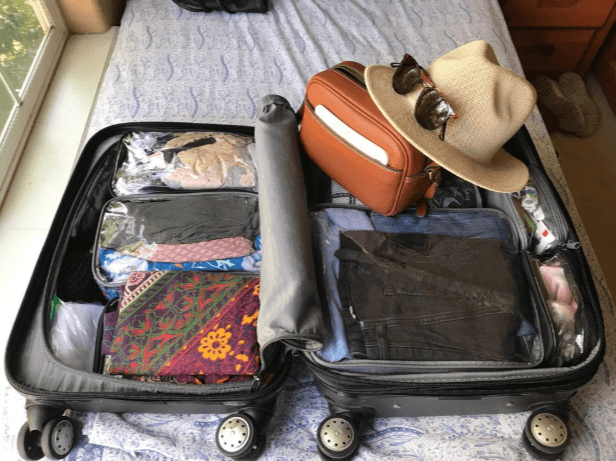
Packing cubes can provide additional organisation, particularly for travellers who want to separate items by category or outfit.
Consider whether the internal layout suits your usual packing habits. A practical arrangement can be more useful than simply having a large amount of empty space.
Comparing Luggage Brands and Features
Brand reputation can help shoppers identify established luggage ranges, but individual models should always be evaluated according to their specifications.
Travellers exploring Samsonite can compare available luggage options and review details such as dimensions, materials, wheel systems and internal layouts.
Check the exact model, warranty coverage and repair support before purchasing. Product features can vary considerably across a brand’s collection.
Caring for Luggage
Regular maintenance can help keep a suitcase in good condition. After a trip, remove belongings, clean the exterior according to the manufacturer’s instructions and allow damp areas to dry.
Inspect wheels, handles and zippers for signs of wear. Store luggage in a dry location and avoid placing excessive weight on top of it.
Keeping the purchase receipt and warranty information can also be useful if repairs or support are required.
FAQs
1. How do I choose luggage for different types of travel?
Consider trip duration, packing requirements, airline restrictions and how frequently you travel. Choose dimensions and features that match your usual journeys.
2. Are hard-shell suitcases better than soft-sided cases?
Both have advantages. Hard-shell cases provide a structured exterior, while soft-sided luggage may offer more flexibility and external pockets. The right choice depends on personal preferences and travel needs.
3. What features should I compare before buying a suitcase?
Review size, weight, materials, wheel quality, handles, internal organisation, warranty and maintenance requirements.
Conclusion
Choosing suitable luggage can make travel more organised and manageable. By comparing size, construction, mobility and storage features, travellers can find a suitcase that supports their journeys. Practical design and reliable maintenance are just as important as appearance when selecting luggage.