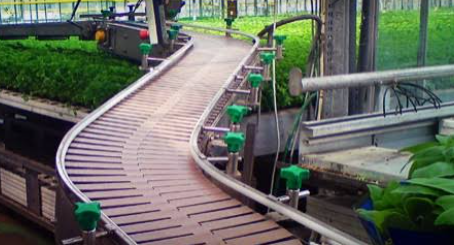

Modern design is often associated with appearance, creativity, and innovation. However, good design goes beyond visual appeal. It also considers how different components work together, how materials respond to everyday demands, and how a structure can remain functional over time. From furniture and architecture to household products and commercial spaces, versatility has become an important principle in creating practical solutions. Interestingly, this same principle can be seen in the design of a Rod Network Belt, where structural simplicity and functional flexibility come together.
Why Versatility Matters in Modern Design
Modern products and structures are expected to serve multiple purposes without becoming unnecessarily complicated. Designers increasingly look for solutions that balance durability, usability, adaptability, and efficient material use. A product that performs its intended function while accommodating different requirements often offers greater long-term value than one designed for a single purpose.
This approach can be observed across various areas of everyday life. Modular furniture, adjustable storage systems, and flexible architectural layouts all demonstrate how thoughtful structural design can improve functionality. The underlying idea is simple: individual elements should work together efficiently while allowing the overall structure to perform consistently under different conditions.
Understanding the Design Behind a Rod Network Belt
A Rod Network Belt is a type of metal conveyor belt constructed using interconnected rods and supporting components. Its open structure distinguishes it from many conventional solid-surface designs. Depending on its configuration, the arrangement can provide flexibility, stability, and opportunities for airflow or drainage.
The design is particularly interesting because it demonstrates how relatively simple components can create a functional and interconnected structure. Each rod contributes to the overall arrangement, while the connections help maintain the belt’s shape and support its movement. This combination of individual elements creates a system that can be adapted to different operational requirements.
The concept also reflects a broader design principle found in many modern products: functionality does not always require complicated construction.The Relationship Between Structure and Function
One of the most important considerations in modern design is the relationship between a product’s physical structure and its intended purpose. A visually appealing design may not be practical if it cannot withstand regular use, while a highly functional structure may become inefficient if its components are unnecessarily complex.
Rod-based belt construction offers an interesting example of this balance. The spacing between rods, connection methods, material selection, and overall configuration influence how the belt performs. These factors can affect its flexibility, strength, product support, and suitability for different working environments.
The open construction can also provide practical benefits in applications where air circulation, washing, or drainage is important. However, the actual performance depends on the belt’s specifications and the conditions in which it operates. This highlights why effective design requires more than choosing a particular material or shape; every structural detail needs to serve a purpose.
Adaptability Through Material and Configuration Choices
Versatility is rarely achieved through one universal design. Instead, it often comes from having different configurations that address specific requirements. Material selection is one important consideration because operating temperatures, moisture exposure, cleaning procedures, and mechanical demands can vary considerably.
For example, stainless steel is commonly considered in environments where corrosion resistance and regular cleaning are important. Other material options may be appropriate depending on the application and operating conditions. Similarly, rod spacing and belt dimensions can influence how products are supported and how materials move across the surface.
This ability to consider different construction requirements makes rod-based belt systems relevant to a range of material-handling situations. It also demonstrates an important lesson in modern product development: adaptable design begins with understanding the intended application rather than relying on a one-size-fits-all solution.
What Modern Designers Can Learn From Functional Engineering
The principles behind a Rod Network Belt extend beyond conveyor technology. They offer useful insights into how designers approach interconnected structures, material efficiency, and practical functionality.
First, every component should have a clear purpose. Unnecessary complexity can increase maintenance requirements and make a product more difficult to use. Second, flexibility should be considered during the initial design process rather than introduced as an afterthought. Finally, the relationship between individual components should be evaluated as carefully as the performance of the complete structure.
These principles are relevant to product designers, architects, engineers, and manufacturers working across different fields. Whether developing modular furniture or designing equipment for demanding environments, the goal remains similar: create structures that perform reliably while making sensible use of available materials.
Conclusion
Modern design is not simply about creating something that looks different. It is about finding practical ways to combine structure, functionality, and adaptability. A Rod Network Belt provides an interesting example of how interconnected components can create a useful and versatile system through thoughtful engineering.
As material-handling requirements continue to evolve, understanding the relationship between construction and performance becomes increasingly important. Companies such as Wirebelt demonstrate how specialised metal conveyor belt designs can address different operational needs through material selection, structural configuration, and application-focused engineering. Ultimately, the most effective designs are often those that make functionality look simple.