
Art fairs have become important meeting points for artists, galleries, collectors and people interested in creative culture. Unlike a traditional gallery exhibition, an art fair often brings multiple exhibitors together in one organised setting, allowing visitors to explore a wide range of work within a limited time.
These events can introduce audiences to new artists, create opportunities for professional networking and support the wider art market. They also offer a useful way to understand changing creative interests and developments.
What Makes an Art Fair Different?
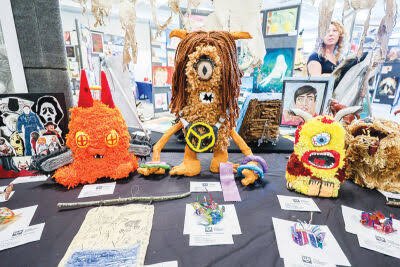
An art fair typically features several galleries, dealers or exhibitors presenting works in individual spaces or booths. Visitors can move between displays, compare artistic approaches and discover different types of work.
The range may include paintings, photography, sculpture, prints, installations and other creative formats. Some fairs focus on contemporary art, while others highlight particular regions, historical periods or specialist categories.
The event format makes it possible to encounter many artistic perspectives in one place. This can be especially useful for visitors who want to explore beyond the exhibitions of a single gallery.
Opportunities for Artists
Art fairs can provide artists with access to new audiences and professional contacts. Participating through a gallery or exhibitor may help introduce their work to collectors, curators and other industry professionals.
However, participation can require planning and financial investment. Artists and galleries may need to consider booth costs, transportation, installation, insurance and promotional activities.
A clear presentation is important. Visitors should be able to understand the work, identify the artist and learn how to request further information.
The Role of Galleries and Exhibitors
Galleries play an important role in selecting and presenting work at many art fairs. Their displays may reflect an established programme, a particular artistic direction or a group of artists they represent.
For visitors, speaking with gallery representatives can provide useful context about the works and the artists behind them.
Exhibitors also help create the overall atmosphere of an event. A well-organised fair makes it easier to navigate the displays and discover different creative approaches.
What Visitors Can Expect
An art fair can be busy, especially during opening events or popular public sessions. Planning ahead can help visitors make better use of their time.
Useful preparation includes:
- Checking the event dates and opening hours
- Reviewing the exhibitor list
- Identifying artists or galleries of interest
- Checking admission and registration arrangements
- Allowing enough time to explore the venue
- Reviewing photography and visitor policies
Visitors should also remember that not every work needs to be understood immediately. Taking time to observe, ask questions and compare styles can make the experience more meaningful.
Art Fairs and Collecting
For collectors, art fairs provide an opportunity to view works from different galleries and compare artistic approaches. They can also help collectors discover emerging artists or learn more about established names.
Buying art requires careful consideration. Buyers should ask about authenticity, provenance, condition, pricing and any relevant documentation.
A purchase should be based on genuine interest and an understanding of the work rather than pressure to make a quick decision.
New collectors may find it helpful to research artists and seek independent advice before making significant purchases.
The Cultural Value of Art Fairs
Art fairs can contribute to a city’s cultural profile by attracting visitors, supporting creative businesses and encouraging international exchange.
They may also create opportunities for educational programmes, panel discussions and artist talks. These activities can help people understand the ideas and practices behind the work on display.
For local creative communities, an art fair can offer visibility and encourage connections that continue beyond the event itself.
Exploring an Art Fair in Hong Kong
Hong Kong’s position as an international city creates opportunities for cultural exchange and creative events. Visitors can encounter work from different regions and explore a variety of artistic approaches.
Those researching an art fair hong kong can review the available event information and check whether the dates and programme match their interests.
Before visiting, confirm the venue, schedule, admission details and any registration requirements. Planning around these practical details can make the experience more enjoyable.
Making the Most of a Visit
It can be tempting to move quickly through every display, but a more selective approach may be more rewarding. Choose a few areas of interest, spend time with the work and speak with exhibitors when appropriate.
Taking notes about artists or galleries can also be useful, particularly for visitors who want to research a work after the event.
Art fairs are not only places to buy art. They are also spaces for learning, observation and conversation.
FAQs
1. Is an art fair suitable for people who are not collectors?
Yes. Art fairs welcome visitors who are simply interested in creative work. They provide opportunities to discover artists, explore different styles and learn about the art world.
2. Should I research artists before attending?
It can be helpful, especially if you have particular interests. However, exploring unfamiliar work without a fixed plan can also lead to interesting discoveries.
3. What should I check before buying artwork?
Ask about authenticity, provenance, condition, pricing, ownership documentation and any applicable delivery arrangements. For significant purchases, independent professional advice may be worthwhile.
Conclusion
Art fairs bring together creative work, professional networks and public audiences in a shared environment. They offer opportunities to discover artists, understand different approaches and participate in cultural exchange. Whether visiting out of curiosity or with collecting interests, preparation and an open mind can make the experience more rewarding.