
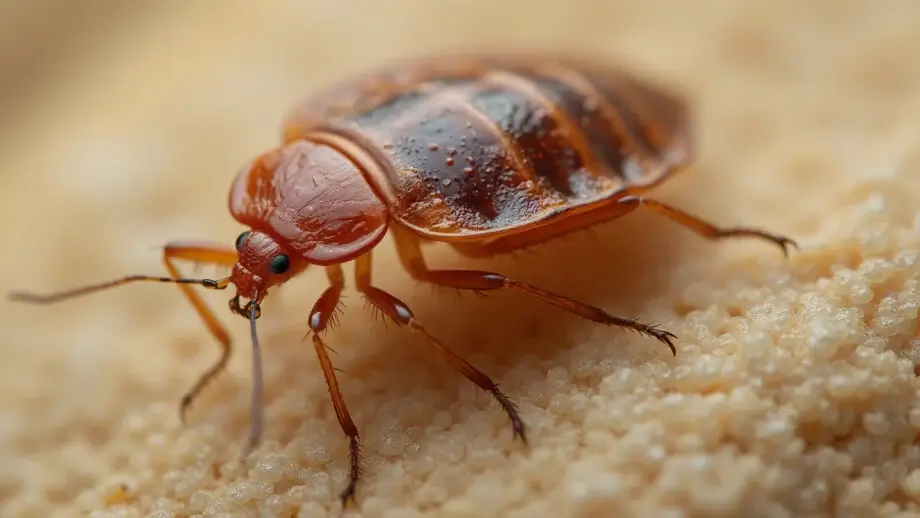

Bed bugs are small insects that feed on blood and can become a source of stress in homes, hotels and other indoor environments. Their presence is not necessarily a sign of poor housekeeping. They can enter buildings through luggage, clothing, furniture and other belongings.
Because bed bugs can hide in small spaces and reproduce over time, identifying an infestation early is important. A structured response is generally more effective than relying on random household treatments.
Understanding Bed Bug Behaviour
Bed bugs are flat, oval-shaped insects that can hide in mattress seams, bed frames, furniture joints, skirting boards and cracks. They are often more active at night, when people are resting.
Their small size and ability to remain hidden make them difficult to detect. An infestation may go unnoticed until people begin finding insects, shed skins or small dark marks around sleeping areas.
Bed bugs do not fly or jump. They usually move by crawling and can spread when infested belongings are transported from one place to another.
Common Signs of an Infestation
Recognising possible signs early can help prevent a small problem from becoming more difficult to manage.
Look for:
- Live insects around mattress seams or furniture joints
- Small dark spotting on bedding or nearby surfaces
- Shed skins or eggs in concealed areas
- Unusual marks on mattresses and bed frames
- Repeated signs around sleeping areas
Bites alone are not a reliable way to confirm bed bugs. Skin reactions vary, and other insects or conditions can cause similar marks. Physical evidence should be examined whenever possible.
Why Bed Bugs Can Be Difficult to Control
Bed bugs are skilled at hiding. They may occupy narrow gaps, furniture joints, electrical-adjacent spaces and other areas that are difficult to inspect.
Treating only the mattress may leave insects elsewhere in the room. Eggs and hidden populations can also remain after an incomplete treatment, allowing the problem to return.
For this reason, effective management usually requires inspection, preparation, appropriate treatment and follow-up. The exact method depends on the building, infestation level and professional assessment.
Steps to Take When Bed Bugs Are Suspected
If signs are discovered, avoid moving potentially infested furniture or bedding into other rooms. Doing so may spread the insects.
A practical initial response includes:
- Inspect the bed, mattress seams, frame and nearby furniture.
- Reduce clutter around the affected area.
- Keep potentially infested items contained during transport.
- Wash suitable fabrics according to care instructions.
- Use a hot dryer cycle when the fabric permits.
- Avoid applying unlabelled chemicals or household mixtures.
Vacuuming may help remove some visible insects, but it should not be treated as a complete solution. The vacuum contents should be sealed and disposed of carefully.
The Role of Professional Pest Management
Professional pest management can be useful when an infestation is confirmed or continues despite initial steps. Trained technicians can inspect relevant areas, identify signs and recommend an appropriate treatment plan.
Different properties may require different approaches. A residential bedroom, a multi-unit building and a commercial property can present different challenges.
A reliable provider should explain the proposed treatment, preparation requirements, safety precautions and any necessary follow-up visits. Occupants should receive clear instructions about re-entry, cleaning and handling treated items.
Preventing Bed Bugs From Spreading
Prevention is particularly important when travelling or buying second-hand furniture. Inspect luggage and belongings after trips, and avoid placing bags directly on beds where possible.
When purchasing used furniture, examine seams, joints and concealed areas before bringing it indoors. If suspicious evidence is found, do not assume a quick surface clean will remove the risk.
In shared buildings, communication can also matter. If bed bugs are found in one unit, property managers may need to consider nearby areas to understand whether the issue has spread.
Choosing a Bed Bug Control Service
When comparing providers, consider experience, inspection methods, treatment explanations and safety procedures. Ask whether follow-up inspections are included and what preparation is expected from occupants.
People looking into bed bug termination can review the service information and assess whether the provider’s approach fits their property’s needs.
Avoid services that promise instant or guaranteed elimination without inspecting the affected space. A responsible provider should explain that results depend on infestation conditions, preparation and the completeness of the treatment process.
FAQs
1. Are bed bugs caused by an unclean home?
No. Bed bugs can enter clean homes through luggage, clothing, furniture and other belongings. Housekeeping may help with inspection, but cleanliness alone does not prevent or eliminate an infestation.
2. Can I remove bed bugs by washing bedding?
Washing and drying suitable fabrics at appropriate temperatures may help reduce insects on those items. However, bed bugs can hide in furniture and other locations, so laundry alone is not a complete treatment.
3. Should I throw away an infested mattress?
Not necessarily. A professional inspection can help determine whether the mattress can be treated safely or whether disposal is appropriate. Moving it without precautions may spread the insects.
Conclusion
Bed bug management requires careful identification, controlled handling of belongings and a treatment plan that addresses hidden areas. Acting early and seeking qualified pest management advice can reduce the risk of spread and repeated infestation. Clear preparation and follow-up are important parts of a responsible approach.
