ByJohn A
RSI Explained for Crypto Traders
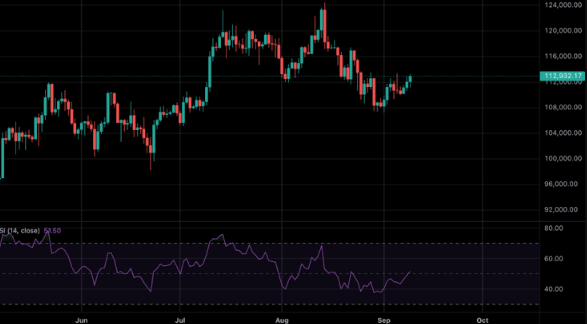
RSI measures the speed and magnitude of recent price moves to gauge momentum in crypto markets. It compares gains and losses over a defined window to yield a numeric readout of overbought or oversold conditions. In fast, volatile regimes, thresholds shift and frequent re-tests matter. Divergence between price and RSI can hint at reversals, while RSI may precede momentum shifts seen in other indicators. The topic invites practical setups and careful interpretation to navigate risk.
What RSI Measures in Crypto Momentum
RSI measures the speed and magnitude of price moves to gauge momentum, comparing recent gains and losses over a defined period.
In crypto, this yields a numeric readout of overbought momentum and underlying trend strength, helping traders assess strength versus retreat.
The metric also highlights divergence signals, signaling potential momentum shifts when price and RSI disagree.
See also: webtosociety
Reading RSI in Fast Markets: Thresholds and Timing
In fast-moving crypto markets, momentum indicators can swing rapidly as price gaps and volatility widen.
Reading RSI in such environments emphasizes thresholds that adapt to speed: faster re‑tests, tighter overbought/oversold bands, and confirmation delays.
Topic pairing and RSI vs MACD comparison reveal that RSI signals may precede MACD crossovers, offering early timing cues without sacrificing clarity or precision.
Three Practical RSI Setups You Can Use Today
Three practical RSI setups distill common patterns into actionable rules traders can apply today.
The first focuses on RSI divergence signaling potential reversals, requiring confirmation from price action or volume before entry.
The second emphasizes RSI normalization after oversold or overbought extremes to restore balance.
The third combines trend context with steady RSI drift, avoiding whipsaws while maintaining risk controls.
Avoiding RSI Pitfalls in Crypto
Cryptocurrency markets pose unique RSI challenges, from volatile price swings to rapid regime shifts, which can produce false signals if not handled with discipline and context. This section highlights common pitfalls, emphasizing disciplined thresholds, cross-checks with volume, and respect for volatility interplay. Traders should consider liquidity conditions and exchange liquidity impacts when interpreting divergences, avoiding overreliance on a single indicator.
Conclusion
In crypto markets, RSI functions as a momentum compass, translating rapid price moves into a legible scale. When thresholds tighten, momentum can snap back or surge forward, often signaling the next swing before price confirms it. Yet volatility can distort readings, so context, volume cues, and divergence checks remain essential. Used judiciously, RSI guides entry and risk with disciplined thresholds, like a steady lighthouse in a storm—bright, reliable, and data-grounded amid shifting tides.