ByJohn A
What Is Data Lineage?
Data lineage records the journey of data from origin to end use, tracing every step, dependency, and transformation. It links sources, flows, transformations, and destinations to reveal provenance, accountability, and governance implications. The approach scales from simple datasets to complex pipelines, balancing rigor with practicality. By making the path transparent, it supports reproducibility and trust. Yet the practical challenges and decisions behind implementation invite closer examination as systems evolve.
What Data Lineage Really Is in Practice
Data lineage in practice traces the end-to-end journey of data—from source systems through transformations to downstream uses—and catalogs each step, dependency, and data product. It emphasizes data provenance as a foundation for trust and reproducibility.
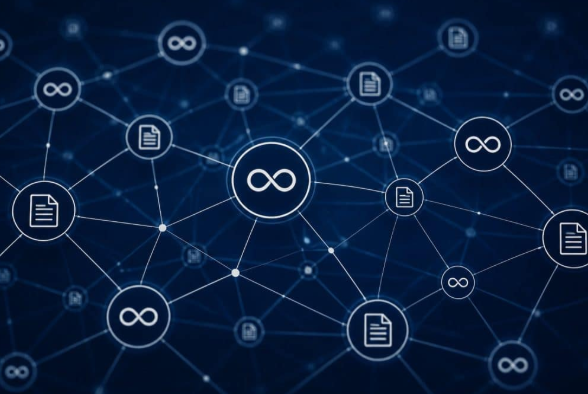
Lineage visualization enables quick comprehension, enabling scalable governance.
Practitioners adopt repeatable patterns, ensuring consistent interpretation while maintaining freedom to innovate within controlled, transparent data ecosystems.
See also: webtosociety
Why Data Lineage Matters for Analytics and Governance
In analytics and governance, data lineage serves as a backbone for traceability and accountability, linking data products to their origins and the transformations they undergo. This clarity supports data governance by defining responsibility and lineage-based stewardship, while enabling organizations to monitor lineage integrity and support regulatory compliance.
Emphasizing data quality, it guides quality assurance, risk assessment, and scalable governance practices.
Core Elements: Sources, Flows, Transformations, and Destinations
Are the core elements of data lineage—sources, flows, transformations, and destinations—distinct yet interdependent components that together map the journey of data from origin to endpoint?
The framework clarifies sources context, traces data origins, captures flows dependencies, tracks transformations lineage, and identifies destinations provenance.
This structure supports scalable governance, reproducible analytics, and transparent lineage insights across evolving data ecosystems.
Implementing Practical Data Lineage in Real Workflows
The discussion presents a methodical framework for capturing lineage within practical workflows, balancing rigor with flexibility.
Detailing governance, tool interoperability, and traceability, it emphasizes scalable practices that empower teams to understand data lineage without unnecessary constraint.
Frequently Asked Questions
How Does Data Lineage Handle Unstructured Data Sources?
Data lineage handles unstructured data sources by mapping content origins through metadata surfacing, tagging unstructured challenges, and tracing transformations. It uses scalable metadata pipelines, enabling visibility, governance, and flexible auditing for researchers and engineers seeking freedom to innovate.
Can Lineage Reveal Data Ownership and Responsibility Automatically?
Lineage tools cannot automatically reveal ownership; they support ownership mapping and responsibility attribution by tracing data flows, enabling scalable governance. They provide structured assignments, but true accountability requires policy, collaboration, and ongoing stewardship across data owners and stewards.
What Are Common Pitfalls in Scaling Lineage Across Ecosystems?
In a measured, allusive tone, one notes common pitfalls when scaling lineage across ecosystems: governance blind spots, inconsistent metadata, and tool fragmentation. Data governance and data catalogs must harmonize, enabling scalable, transparent lineage without sacrificing freedom or precision.
How Is Lineage Kept Up-To-Date With Real-Time Data Changes?
Updating lineage relies on real time ingestion pipelines, event-driven updates, and change data capture. It continuously reconciles sources, transforms, and targets, ensuring consistency. Meticulous metadata governance, throttling, and conflict resolution enable scalable, agile visibility for freedom-seeking analysts.
Which Tools Best Visualize Lineage for Non-Technical Stakeholders?
The best tools for visualizing lineage for non-technical stakeholders include intuitive dashboards and data visualization platforms that emphasize clarity, drill-down capability, and storytelling. They support stakeholder communication through accessible visuals and scalable metadata exploration.
Conclusion
Data lineage is about tracing origins, tracking transformations, mapping flows, and validating destinations. It establishes provenance, supports governance, and enables reproducible analytics. It builds trust through transparency, enforces accountability through traceable steps, and scales with evolving systems through modular representations. It clarifies dependencies, assesses impact, and guides remediation. It informs decision-making, reinforces compliance, and accelerates problem resolution. It harmonizes accuracy, reliability, and agility, enabling organizations to understand data from source to use, end-to-end, consistently.