
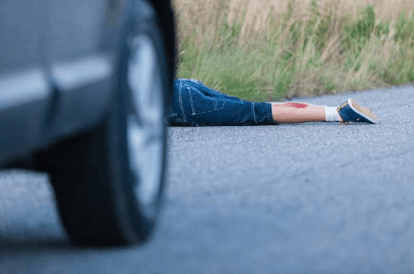

A walk to the corner store or a quick crossing at a busy intersection should be routine. For pedestrians, it can turn dangerous in seconds. With no protection against a moving vehicle, people on foot often suffer life-changing injuries when a driver makes a mistake.
Knowing the common causes of pedestrian accidents can help victims understand what went wrong and who may be responsible.
Why Pedestrians Are So Vulnerable
Cars have frames, airbags, and seatbelts. Pedestrians have nothing between their bodies and the impact.
Even with better crosswalk signals, brighter street lighting, and public safety campaigns, collisions remain far too common. Any vehicle can cause one, from a delivery van to a motorcycle to a large truck. In general, the heavier the vehicle, the more severe the injuries.
Most of these crashes trace back to driver negligence. That often gives injured pedestrians the right to seek compensation.
Leading Causes of Pedestrian Collisions
An injured pedestrian usually carries the burden of showing how the other party caused the crash. That starts with identifying what the driver did wrong.
Drunk or Drugged Driving
Alcohol, illegal drugs, and some prescription medications slow reaction time and weaken judgment. An impaired driver may not notice a person in a crosswalk until it is too late.
In some cases, a bar or restaurant that served a visibly intoxicated customer may share responsibility for the harm that followed.
Distracted Driving
Texting, scrolling, adjusting a navigation screen, eating, and even chatting with passengers all pull attention from the road. Drivers owe pedestrians a duty of care, especially near school zones, crosswalks, and busy intersections.
Speeding
Speeding means more than going over the posted limit. It also includes driving too fast for rain, fog, or heavy traffic. Higher speeds shorten the time a driver has to react and sharply raise the risk of a fatal injury.
Aggressive or Impatient Driving
Some drivers refuse to wait while a pedestrian finishes crossing. One car may stop while another swerves around it, putting the person on foot in an unpredictable situation.
This type of crash is especially frustrating because it comes from a driver’s choice, not from the road itself.
Failure to Yield
Drivers are generally required to yield to pedestrians at intersections, marked crosswalks, parking lots, and driveway entrances. That means slowing down, stopping when needed, and making sure the path is clear. Skipping those steps is a common sign of negligence.
Who May Be Responsible
The driver is usually the first place investigators look, but other parties can share fault:
- Vehicle manufacturers or repair shops: A faulty brake system or other mechanical failure can shift liability beyond the driver.
- Bars and restaurants: Over-serving an intoxicated patron can create legal exposure.
- Government agencies: Broken crosswalk signals or poor street lighting may fall on the agency responsible for maintaining them.
- Property owners and contractors: Blocking a sidewalk or crosswalk can force pedestrians into traffic.
Identifying every responsible party can make a real difference in the total recovery available.
Compensation You May Be Able to Recover
Depending on the facts, injured pedestrians may seek damages for:
- Medical expenses, including ambulance transport, hospital stays, surgery, and rehabilitation
- Lost wages during recovery
- Reduced future earning capacity if the injury limits long-term work
- Pain and suffering, emotional distress, and loss of enjoyment of life
- Wrongful death damages when a victim does not survive
Every case is different, and the value of a claim depends on the severity of the injuries and the strength of the evidence.
Why Legal Help Matters
A police report alone rarely tells the whole story. Building a strong claim means gathering evidence, interviewing witnesses, reviewing medical records, and tracing fault to every party involved.
Insurance companies also commonly try to blame the pedestrian to reduce or deny a payout. Having an advocate who knows how to counter those tactics can protect your right to fair compensation.
Local knowledge helps too. If you were hurt, speaking with a pedestrian accident lawyer can give you guidance rooted in how these claims work in your area. If you are elsewhere, you can find a nearby office and arrange a consultation.
From negotiating with adjusters to preparing for trial when a fair settlement is not offered, experienced representation can shape the outcome of your case. No one injured by another person’s negligence should have to face that process alone.
