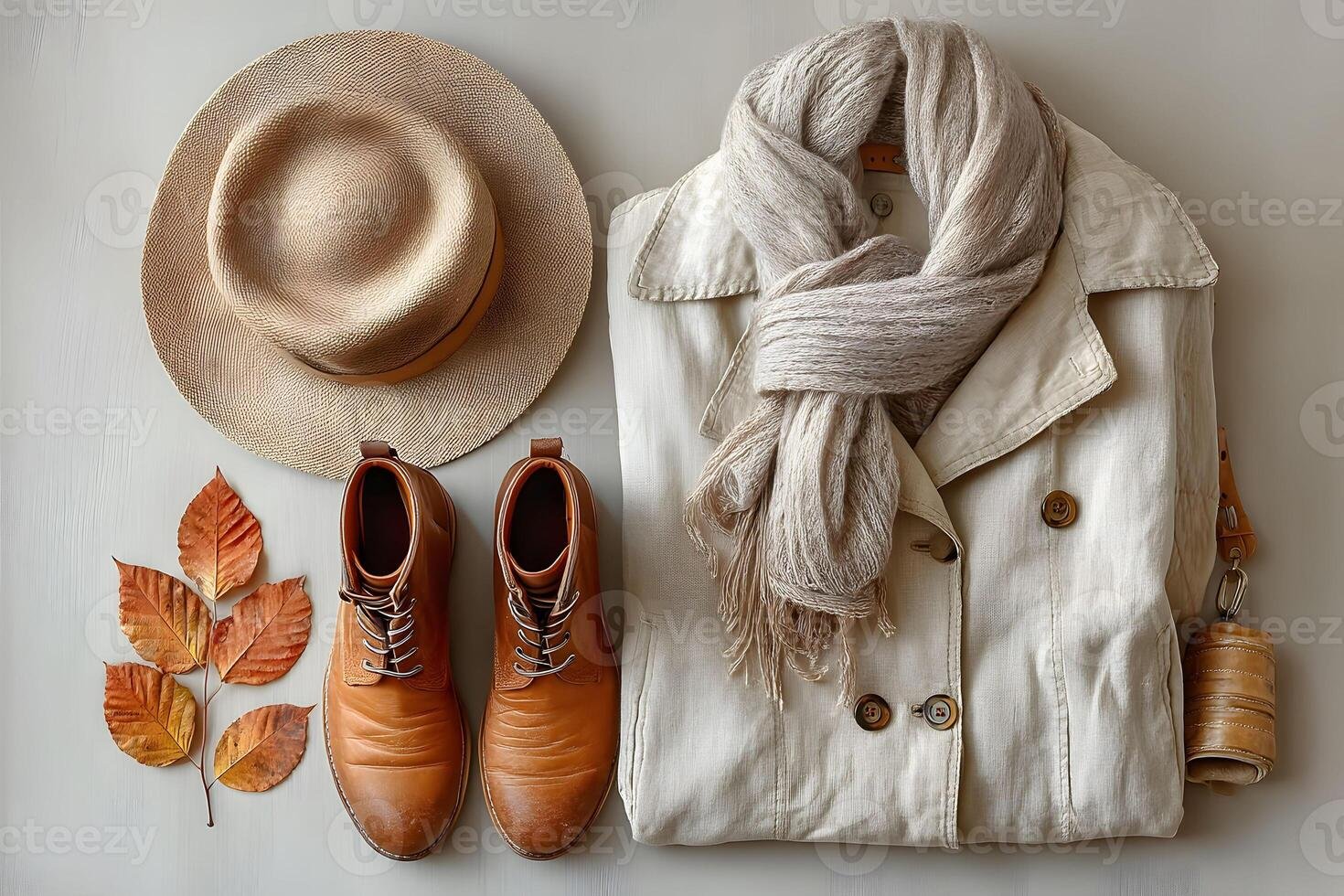

Fashion choices often change with the seasons, but comfort and versatility remain important throughout the year. Consumers look for garments that suit different weather conditions while allowing them to maintain their preferred personal style. During cooler months, soft fabrics and practical layers become especially valuable, while accessories help complete everyday outfits.
For clothing retailers, seasonal collections provide an opportunity to introduce products that respond to changing customer needs. A thoughtful combination of comfortable trousers, casual tops, outerwear, and headwear can create a collection suitable for different lifestyles.
Why Seasonal Clothing Matters
Seasonal clothing helps consumers dress appropriately for changing temperatures and everyday activities. During colder weather, people often prefer materials that provide warmth and a comfortable feel. When temperatures rise, lighter garments and breathable fabrics become more attractive.
Retailers should consider these changes when planning their product selections. A seasonal collection does not need to be completely different from the previous one. Instead, businesses can introduce suitable fabrics, updated colors, and practical designs while maintaining popular everyday essentials.
Understanding customer preferences can also help retailers avoid selecting products that do not match the needs of their audience.
The Comfort and Versatility of Fleece Clothing
Fleece is widely used in casual apparel because of its soft texture and insulating properties. It is often found in sweatshirts, jackets, hoodies, and trousers designed for comfortable everyday wear.
Fleece trousers can be particularly useful for relaxed outfits, travel, lounging, and casual outdoor activities. Their appeal often comes from the combination of warmth and flexibility.
Retailers exploring seasonal trouser collections may consider Wholesale Fleece Pants when evaluating products for their inventory. Before choosing a particular style, it is important to review its material composition, fabric weight, construction, fit, and available sizes.
A variety of colors and designs can also help businesses serve customers with different preferences. Classic shades such as black, grey, and navy are easy to coordinate, while additional colors can introduce more variety.
What to Look for When Selecting Fleece Pants
Not every fleece garment offers the same construction or level of comfort. Product details should be evaluated carefully to ensure that the selected items match their intended use.
Some important factors include:
- Fabric quality: Check the material composition and texture.
- Fit: Consider whether the trousers have a relaxed, regular, or tapered silhouette.
- Waistband design: Elastic waistbands and adjustable drawstrings can contribute to a flexible fit.
- Stitching: Examine seams and finishing for consistency.
- Care requirements: Review washing instructions to understand how the garment should be maintained.
These details help retailers assess whether a product is appropriate for their target customers.
Styling Fleece Trousers for Everyday Wear
Fleece pants are not limited to indoor clothing. With the right combinations, they can become part of relaxed everyday outfits.
For a simple look, pair neutral fleece trousers with a plain T-shirt and sneakers. During cooler weather, a hoodie or sweatshirt can provide an additional layer.
A coordinated outfit can also be created by combining fleece trousers with a matching top. Customers who prefer a more varied appearance can mix different colors and textures.
The most effective styling choices depend on personal preference, weather, and the occasion. Keeping the outfit balanced helps maintain a comfortable yet presentable appearance.
The Role of Headwear in Seasonal Fashion
Headwear is an important accessory because it can add personality to an outfit without requiring major changes to the clothing itself.
Different cap styles suit different fashion preferences. Some consumers prefer classic baseball caps, while others choose designs with distinctive panel structures, mesh details, or adjustable closures.
Trucker hats have maintained their popularity in casual fashion because of their recognizable design and relaxed appearance. They can be paired with T-shirts, sweatshirts, denim, and other everyday clothing.
Businesses researching wholesale Trucker Hats can compare different designs to identify options that fit their intended audience. Factors such as panel construction, front material, mesh backing, closure type, and overall fit should be reviewed before selecting products.
Combining Headwear with Comfortable Clothing
Accessories can help create a complete outfit when their colors and designs complement the clothing.
For example, grey fleece trousers can be styled with a black sweatshirt and a neutral-colored cap. A lighter outfit might combine beige trousers with a white top and a cap featuring subtle contrasting details.
Trucker hats can also add variety to simple outfits. Their design makes them suitable for relaxed streetwear combinations, weekend clothing, and casual everyday styling.
Customers do not need to match every item exactly. Choosing complementary colors and maintaining a consistent overall style can produce a more natural appearance.
Planning a Balanced Seasonal Collection
Retailers need to think carefully about the products they include in seasonal collections. Offering too many similar items can make a range feel repetitive, while too little variety may limit customer choices.
A balanced collection can include:
Comfortable everyday clothing: Basic trousers, sweatshirts, and casual tops can form the foundation of a seasonal assortment.
Layering pieces: Hoodies, jackets, and other outerwear provide options for changing temperatures.
Fashion accessories: Caps and hats can complement clothing and give customers additional styling choices.
Different color options: A combination of classic and seasonal colors can appeal to a wider audience.
Multiple fits and sizes: Offering a suitable range of measurements helps customers find products that match their preferences.
Retailers should also review customer feedback and purchasing trends when deciding which products to restock or introduce.
Improving the Shopping Experience Through Product Information
Customers often compare several products before making a purchase. Clear and accurate product information can make this process easier.
Retailers should provide details about fabric composition, sizing, colors, product construction, and care instructions. Photographs should show the product clearly and, where possible, present different angles.
For headwear, information about cap structure, closure style, and materials can help customers understand what they are choosing. For fleece trousers, measurements and fabric descriptions are particularly useful.
A well-organized product page helps customers make informed decisions and reduces confusion during shopping.
Maintaining Clothing and Accessories
Proper care can help clothing and accessories retain their appearance. Fleece garments should be washed according to their care labels, using suitable washing settings and avoiding excessive heat when drying.
Caps should also be cleaned according to their material and construction. Some designs may require gentle cleaning rather than machine washing.
Storing garments and accessories in a clean, dry place can help protect them from unnecessary wear. Customers should always follow the manufacturer’s care recommendations.
Conclusion
Seasonal fashion is about choosing products that combine comfort, practicality, and personal style. Fleece trousers provide a comfortable option for cooler conditions, while trucker hats offer a simple way to add character to everyday outfits.
For retailers, combining suitable clothing with complementary accessories can help create a more useful and appealing product collection. By evaluating fabric quality, construction, fit, and customer preferences, businesses can develop seasonal assortments that serve different needs while maintaining a consistent fashion direction.